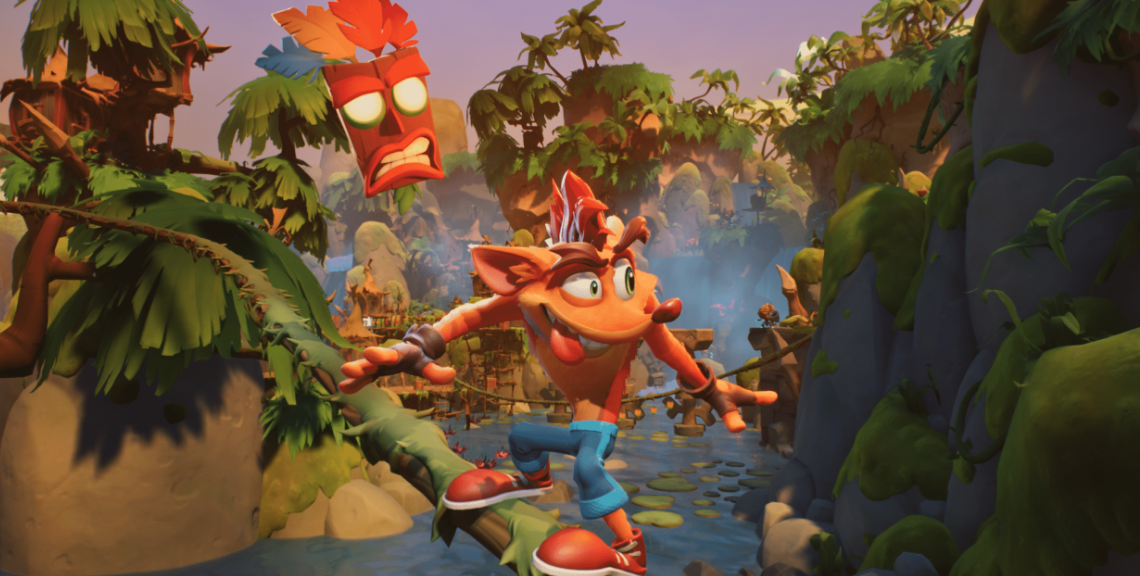
Video games are increasingly recognized for their complex effects on brain function and cognitive skills. Research indicates that they can improve problem-solving abilities and strategic thinking, particularly among younger individuals. However, excessive engagement may lead to addiction and decreased attention spans. Understanding how these contrasting outcomes interact is crucial. What factors contribute to these varying effects, and how can they be managed for optimal cognitive development?
Positive Effects of Video Games on Cognitive Skills
Video games have emerged as a significant area of interest in cognitive research, demonstrating a range of positive effects on various cognitive skills.
Studies indicate that gaming enhances problem-solving skills by presenting complex challenges requiring strategic thinking.
Furthermore, attention enhancement is frequently observed, as players must focus on dynamic environments and rapidly shifting tasks.
These cognitive improvements contribute to overall mental agility and adaptability in real-life situations.
See also: A Beginner’s Guide to Understanding Game Genres
Negative Impacts of Gaming on Brain Function
While gaming can enhance cognitive skills, it is important to recognize the potential negative impacts on brain function.
Research indicates that excessive gaming may increase addiction risk, leading to compulsive behaviors that detract from real-life responsibilities.
Additionally, prolonged exposure to fast-paced gaming can contribute to attention issues, impairing focus and reducing the ability to concentrate on tasks beyond the gaming environment.
The Role of Age and Experience in Gaming Effects
As individuals engage with video games, their age and prior gaming experience significantly influence the cognitive effects experienced.
Research indicates notable age differences in cognitive response, with younger players often benefiting from improved reaction times and problem-solving skills.
Conversely, older gamers may leverage their extensive gaming experience for strategic thinking and adaptability, demonstrating that both age and experience shape gaming’s cognitive impact.
Balancing Gaming With Other Activities for Optimal Development
Balancing gaming with other activities is crucial for fostering optimal cognitive and social development in individuals.
A well-structured gaming schedule, integrated with regular physical activity, can enhance brain function while mitigating potential negative effects of excessive gaming.
Engaging in diverse activities promotes critical thinking, social interaction, and physical health, ultimately supporting a holistic approach to personal growth and cognitive resilience.
Conclusion
In conclusion, the impact of video games on brain function and cognitive skills resembles a double-edged sword, offering both beneficial and detrimental effects. While they can enhance problem-solving and strategic thinking, excessive gaming poses risks such as addiction and diminished focus. The degree of these effects is influenced by age and experience, underscoring the importance of moderation. By balancing gaming with physical activities and diverse experiences, individuals can harness the cognitive benefits while mitigating potential drawbacks.