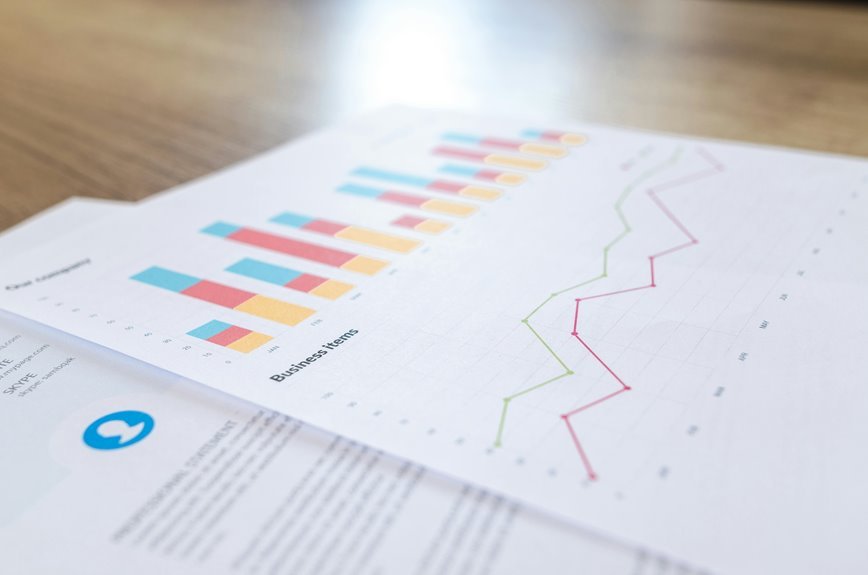
The global market landscape as of October 2023 reveals significant shifts influenced by various economic indicators. GDP growth rates, inflation, and employment figures paint a nuanced picture of market health. Consumer preferences are increasingly leaning towards sustainability, compelling businesses to adapt. Meanwhile, advancements in technology, especially AI, are reshaping interactions. Coupled with ongoing geopolitical tensions, these factors create a complex environment that demands strategic agility from companies navigating this evolving terrain. What implications might this have for future market strategies?
Analysis of Key Identifiers and Their Market Significance
As global markets evolve, the identification and analysis of key market indicators become essential for understanding economic trends and consumer behavior.
Market identifiers, such as GDP growth rates, inflation levels, and employment statistics, serve as critical tools in trend analysis.
Impact of Consumer Behavior on Global Trends
While economic indicators provide a framework for assessing market health, consumer behavior plays a pivotal role in shaping global trends.
The rise of sustainable consumption reflects a growing awareness among consumers, influencing brands to adapt their strategies.
Digital marketing has emerged as a crucial tool for engaging these conscientious buyers, enabling companies to align their offerings with evolving preferences and drive market transformation effectively.
Technological Advancements Driving Market Changes
Technological advancements are reshaping market dynamics in profound ways, significantly altering how businesses interact with consumers and deliver value.
AI integration and automation evolution are central to this shift, enabling enhanced efficiency and personalized experiences.
Furthermore, digital transformation drives innovation strategies that empower companies to adapt swiftly to changing demands, ultimately fostering a competitive landscape that prioritizes flexibility and responsiveness in the global market.
Geopolitical Dynamics and Their Influence on Economic Patterns
How do geopolitical dynamics shape economic patterns across the globe?
Trade relations are often influenced by political stability, with economic sanctions disrupting flows and prompting shifts in resource allocation.
Regional conflicts can destabilize markets, while diplomatic negotiations seek to restore balance.
These factors collectively determine how nations interact economically, ultimately shaping the landscape of global commerce and impacting prosperity.
Conclusion
In conclusion, the convergence of shifting consumer behavior, rapid technological advancements, and intricate geopolitical dynamics underscores a transformative period in global markets. As businesses navigate these coinciding trends, adaptability emerges as a critical success factor. The intertwining of sustainability with innovation not only reflects current consumer preferences but also shapes future economic landscapes. Thus, organizations must remain vigilant and responsive, as the interplay of these forces will determine their resilience and relevance in an increasingly complex world.