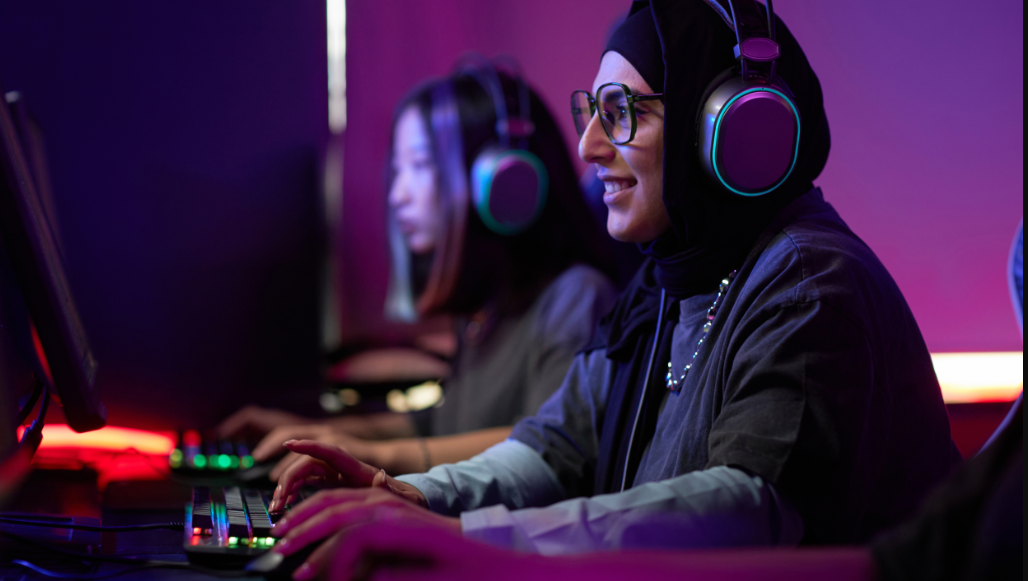
Gaming communities play a crucial role in shaping player experiences. They foster communication, allowing players to share strategies and insights. This interaction often leads to meaningful friendships and social connections. Additionally, collaboration enhances individual skills and creativity. The culture within these communities can significantly impact well-being, promoting positive interactions. Understanding these dynamics reveals how they enrich the gaming landscape, inviting further exploration into their influence on players’ lives.
The Role of Communication in Gaming Communities
Effective communication serves as the backbone of gaming communities, fostering connections among players and enhancing their overall experience.
In-game chat and voice communication provide vital platforms for sharing strategies, coordinating actions, and building camaraderie.
These tools empower players to express themselves freely, bridging geographical gaps and creating a vibrant environment where collaboration and creativity thrive, ultimately enriching the gaming experience for all involved.
See also: A Beginner’s Guide to Understanding Game Genres
Building Friendships and Social Connections
While many players enter gaming communities seeking entertainment, they often discover that these environments serve as fertile ground for building lasting friendships and social connections.
Through shared experiences, friendship dynamics evolve, fostering a sense of belonging.
Online camaraderie thrives as players collaborate, communicate, and support each other, enhancing their gaming experience.
Ultimately, these connections enrich their lives beyond the screen, promoting freedom and mutual growth.
Enhancing Game Skills Through Collaboration
The camaraderie formed within gaming communities not only fosters friendships but also significantly contributes to players’ skill development.
Through skill sharing sessions, players can exchange strategies and insights, enhancing their gameplay.
Cooperative gameplay encourages teamwork, allowing individuals to learn from one another in a dynamic environment.
This collaborative approach not only sharpens skills but also enriches the overall gaming experience, empowering players to excel.
The Impact of Community Culture on Player Well-Being
As players immerse themselves in gaming communities, the culture that emerges within these groups can profoundly influence their overall well-being.
Positive reinforcement fosters a sense of belonging and motivation, enhancing the gaming experience.
Conversely, toxic environments can lead to stress and isolation, negatively impacting mental health.
Ultimately, the culture of a community plays a crucial role in shaping how players feel and connect with each other.
Conclusion
In the ever-evolving landscape of gaming, akin to the roundtables of Arthurian legends, communities play a pivotal role in shaping player experiences. Through effective communication and collaboration, players not only hone their skills but also forge meaningful friendships that transcend the virtual realm. As these communities cultivate a positive culture, they mitigate feelings of isolation, ensuring that every gamer feels valued. Ultimately, the dynamics of these communities enrich the gaming journey, creating a vibrant tapestry of shared experiences and growth.