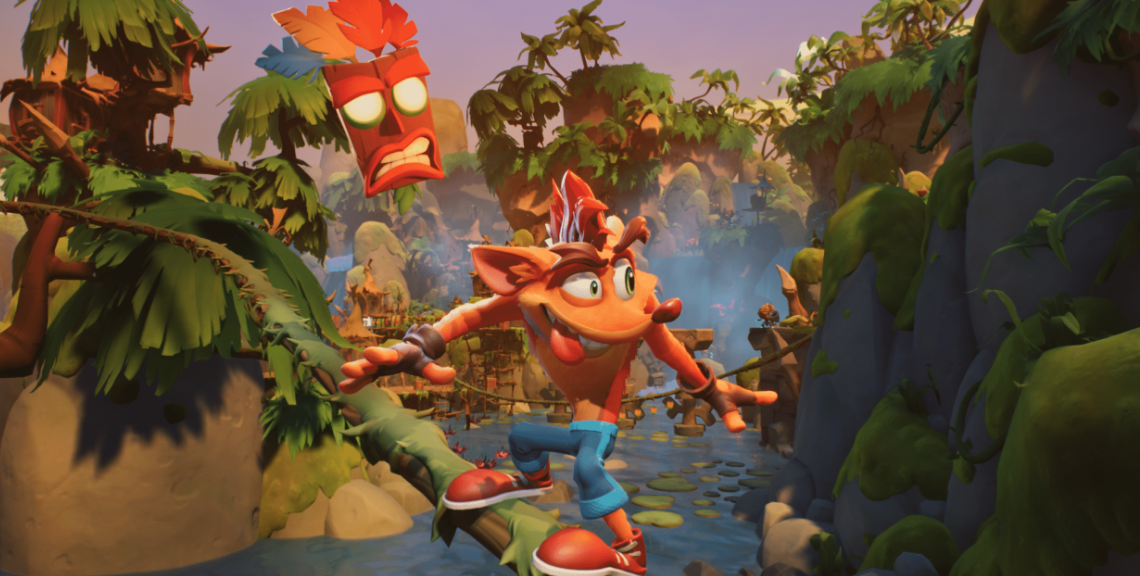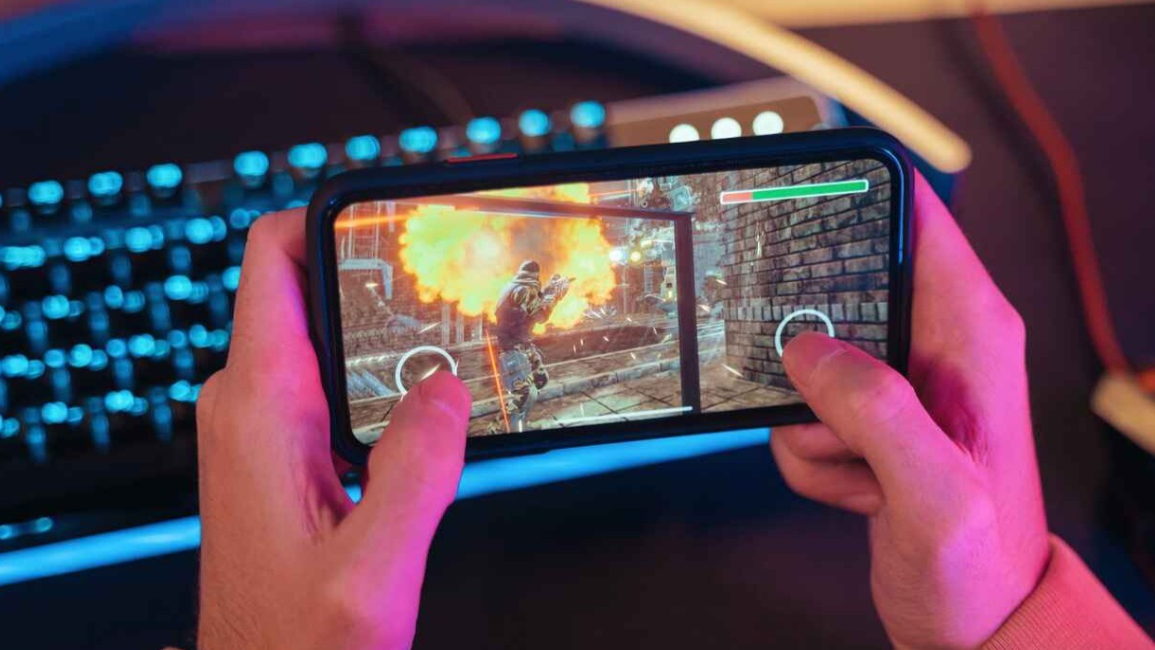
The emergence of mobile gaming has prompted significant discussions regarding its effects on traditional gaming. Some view mobile platforms as a threat, arguing they dilute the complexity and depth of console and PC experiences. Others believe mobile games expand the audience, attracting casual players. As developers navigate these trends, questions arise about the future of gaming diversity and innovation. Will traditional gaming adapt, or will it be overshadowed by mobile’s rising dominance?
The Rise of Mobile Gaming: A Cultural Shift
As mobile gaming continues to gain prominence, it becomes increasingly evident that this trend signifies a profound cultural shift in the gaming landscape.
The rise of casual gaming has democratized access, allowing diverse audiences to engage in social interaction through shared experiences.
This transformation reflects a broader societal embrace of gaming as a communal activity, fundamentally altering perceptions and participation in the gaming community.
See also: A Beginner’s Guide to Understanding Game Genres
Comparing Gameplay Experiences: Mobile vs. Traditional
While both mobile and traditional gaming offer unique experiences, fundamental differences in gameplay mechanics, accessibility, and user engagement shape how players interact with each medium.
Mobile games primarily cater to casual gaming, allowing for quick play sessions, whereas traditional gaming often emphasizes immersive experiences that require time and commitment.
These contrasting approaches influence player preferences and the overall gaming landscape, highlighting distinct avenues for enjoyment and engagement.
The Impact on Game Development and Innovation
Although mobile games have revolutionized the gaming industry, their rise has also prompted significant shifts in game development and innovation.
Developers increasingly adopt innovation strategies that prioritize accessibility and monetization, often at the expense of depth and complexity.
As mobile platforms dominate, traditional game development faces pressure to adapt, leading to a potential homogenization of gaming experiences across both mobile and console markets.
Future Trends: Coexistence or Competition?
The evolving landscape of gaming raises questions about the future relationship between mobile and traditional gaming platforms.
As player demographics diversify, cross-platform synergy may emerge, allowing both formats to thrive in tandem. Mobile games can attract casual players while traditional gaming continues to cater to enthusiasts.
This coexistence could foster innovation, ultimately benefiting the gaming industry as a whole and enhancing player experiences across platforms.
Conclusion
In examining the relationship between mobile and traditional gaming, it becomes evident that each medium offers distinct experiences catering to different audiences. While mobile games prioritize accessibility and quick engagement, traditional games often provide deeper narratives and complex mechanics. The challenge lies in ensuring that the rise of mobile gaming does not stifle innovation and diversity within the broader gaming landscape. As the industry evolves, will it embrace a future where both forms can thrive harmoniously, or will one ultimately overshadow the other?